Dampness in Walls: Causes, Treatments, and Effective Prevention Methods
 Inspectex Team
كل المقالات
2026-04-02
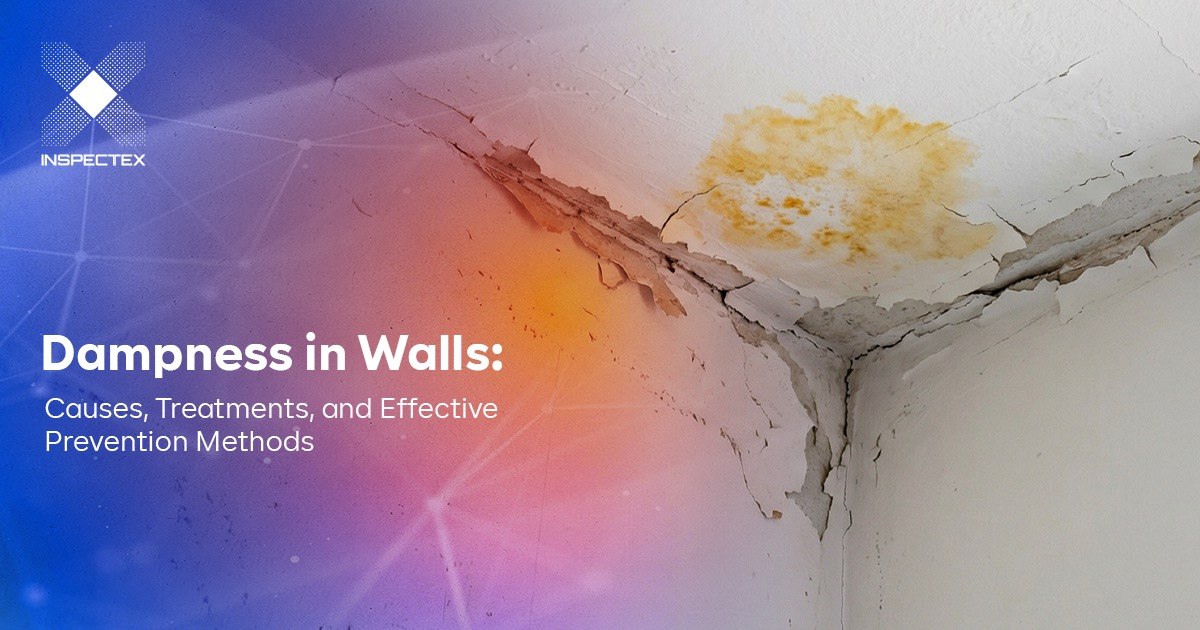
A small yellow stain in the corner of a ceiling often seems like a minor cosmetic issue to the untrained eye. However, simply repainting it is a temporary fix that often leads to the dampness in walls returning larger and more destructive within months. If left unaddressed, this moisture progressively saturates the internal structure; by the third year of neglect, water dampness in the wall typically spreads across multiple surfaces, leading to toxic black mold and severe respiratory allergies for residents.
Because an incorrect diagnosis results in expensive, temporary fixes that fail to solve the root problem, Inspectex has prepared this comprehensive engineering guide. Our goal is to help property owners in Saudi Arabia move from identifying surface symptoms to implementing permanent, scientifically-backed solutions.
What Causes Dampness in Walls?
Before attempting any remediation, it is vital to understand that moisture behaves differently depending on its origin. Misdiagnosing dampness in walls leads to misallocated maintenance budgets while the underlying structural damage continues to escalate.
Water Leaks from Plumbing or Roof Surfaces
The most frequent cause of water dampness in the wall in residential villas and apartments is a localized plumbing failure. This could be a hairline crack in an internal supply pipe, a degraded joint in a drainage connection, or a compromised waterproofing membrane on the roof.
In the Saudi climate, thermal expansion and contraction can cause plumbing joints to loosen over time. Because water follows the path of least resistance, it often moves horizontally through floor slabs and vertically through wall cavities. This means the visible dampness in walls might be several meters away from the actual leak source, making professional detection essential.
Poor Insulation and Inadequate Ventilation (Condensation)
Not all dampness in walls originates from a liquid leak. Interstitial condensation occurs when warm, humid indoor air meets a cold wall surface, typically an exterior wall with poor thermal insulation.
Furthermore, the lack of sufficient air exchange in kitchens and bathrooms allows water vapor to accumulate. Without high-efficiency exhaust systems, this vapor settles into the building’s porous materials, creating a perfect environment for dampness in walls to establish colonies.
Penetrating Damp via Facade Cracks
External walls are the building’s first line of defense. However, over years of exposure to intense heat and occasional heavy rains, small cracks can develop in the exterior plaster or stone cladding. These cracks act as straws, drawing rainwater into the core of the wall via capillary action, leading to persistent water dampness in the wall that is difficult to dry without specialized equipment.
Serious Problem Of Water Dampness In Wall
Ignoring dampness in walls is a critical error that compromises both the health of the occupants and the long-term viability of the real estate asset.
Health Effects: Mold, Allergies, and Respiratory Risks
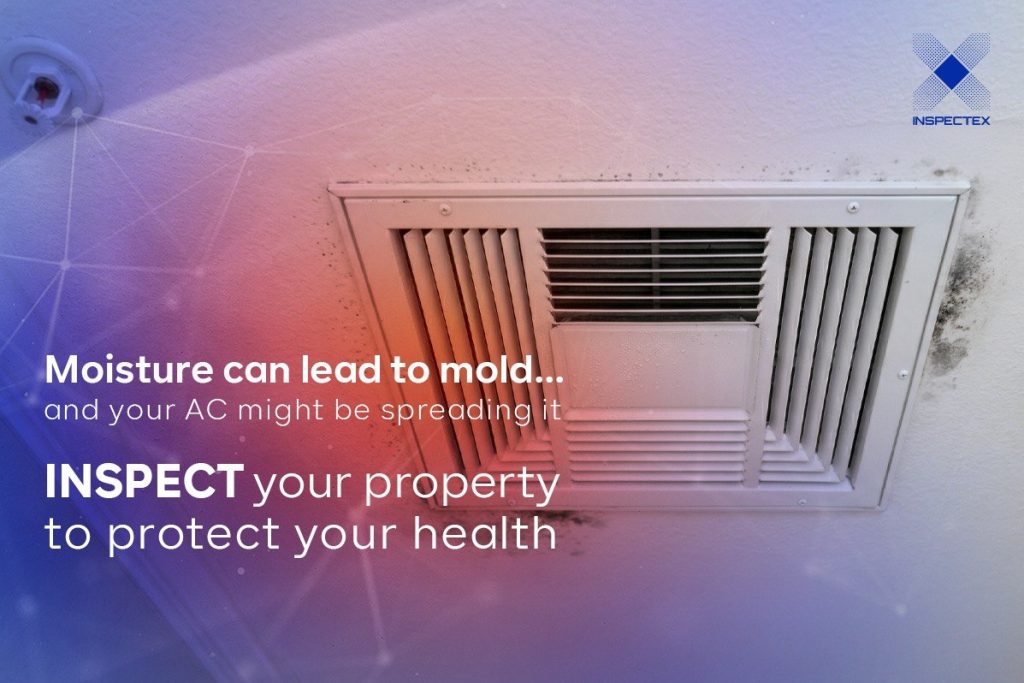
Persistent water dampness in the wall creates a breeding ground for Stachybotrys chartarum (black mold). These fungi release microscopic spores into the air-conditioning system, which are then inhaled by residents. Exposure is linked to:
- Chronic sneezing and sinus congestion.
- Persistent coughing and throat irritation.
- Aggravated asthma attacks, particularly in children and the elderly.
- Skin rashes and eye irritation.
Long-term Structural Damage to the Building
The structural impact is even more devastating. Continuous dampness in walls triggers a chemical reaction known as efflorescence, where salts within the bricks or concrete migrate to the surface, causing the material to crumble. More importantly, when water dampness in the wall reaches the steel reinforcement bars (rebar), it triggers oxidation (rust). As rust expands, it causes the concrete to crack and spall, significantly weakening the building’s load-bearing capacity and slashing its market resale value.
Real Case: How Dampness Escalates Without Early Treatment
How the Problem Grows When Left Unaddressed
In a recent case documented in Riyadh, a homeowner noticed a small patch of dampness in walls of a guest bathroom. Instead of seeking a professional engineering audit, he applied multiple layers of waterproof paint. For two years, the moisture remained trapped inside the wall, slowly corroding a nearby electrical conduit. Eventually, the water dampness in the wall caused a short circuit, and the structural plaster began falling off in large chunks, requiring a total renovation that cost ten times the original repair estimate.
What Actually Worked to Eliminate the Dampness
The only solution that proved effective was a targeted inspection to identify the source. By using non-destructive testing (NDT), our specialized engineer discovered a slow leak in a concealed AC drain line. Once the source was stopped and the wall was professionally dried, the dampness in the walls never returned.
Treating Dampness in Walls
Fixing the Leak Source First
The first non-negotiable step is halting the water source. Whether it is a plumbing leak, a facade crack, or a failure in the roof’s waterproofing, no chemical treatment will work until the water stops. After the repair, the dampness in the walls must be allowed to dry completely using industrial dehumidifiers. Applying new finishes to a still-damp wall will only trap the moisture, leading to a rapid return of water dampness in the wall.
Improving Insulation and Ventilation Systems
If the diagnosis is condensation-based dampness in walls, the focus must shift to the building envelope. Improving thermal insulation as per the Saudi Building Code (SBC) requirements reduces the temperature differential. Additionally, upgrading to mechanical ventilation systems ensures that moisture-laden air is constantly replaced with fresh air.
Preventing Dampness in Walls
Correct Waterproofing During Construction
Real prevention begins during the grey phase of construction. It is essential to apply high-performance waterproofing membranes to the wet areas (bathrooms and kitchens) and the building’s foundation.
Inspectex often finds that improperly applied or low-quality waterproofing is the primary driver of water dampness in the wall in newer developments.
Periodic Inspection of Plumbing and Roof Surfaces
Even a premium building requires maintenance. We recommend a specialized engineering inspection every three years to check for:
- Deterioration in roof sealants.
- Hairline cracks in external stone cladding.
-
Pressure drops in the plumbing system that might indicate a hidden leak.
Catching these issues early prevents dampness in walls from ever becoming a structural threat.
The Role of Property Inspection in Detecting Wall Dampness
Early-stage dampness in walls is often invisible. A wall may feel dry to the touch while the internal humidity level is at 90%.
Moisture Meters and Thermal Imaging: Seeing What the Eye Cannot
Inspectex utilizes a sophisticated engineering toolkit to provide technical certainty:
- High-Precision Thermal Imaging: We use infrared cameras to detect thermal anomalies. Since wet areas are cooler than dry areas, we can see the exact path of the water dampness in the wall behind tiles or paint.
- Digital Moisture Mapping: Our specialized mechanical engineer uses calibrated sensors to quantify the percentage of moisture at different depths within the wall, ensuring the diagnosis is based on data, not guesswork.
Inspectex Technical Reports: Source Identification and Treatment Guidance
A professional engineering firm must be licensed by SASO. Our reports are not mere observations; they are legal-technical documents that include:
- Specific Source Identification: Pinpointing exactly why the dampness in walls is occurring.
- Detailed Remedial Action Plan: Step-by-step engineering instructions for repair.
- Approximate Cost Estimates: A costed recommendation for remediation to help you negotiate with contractors or sellers.
- Multi-Stage Review: Every report is audited by our senior technical director before delivery.
FAQs: Dampness in Walls
How Do You Treat Dampness in Walls?
The process involves three steps:
- Identify and stop the water source.
- Thoroughly dry the structural materials.
- Treat the surface with anti-fungal agents before repainting.
What Are the Main Causes of Wall Dampness?
Internal plumbing leaks, roof waterproofing failures, thermal bridging (condensation), and poor facade maintenance are the most common drivers of water dampness in the wall.
Is Dampness in Walls a Serious Problem?
Yes. It is a major health hazard that triggers asthma and allergies, and a structural hazard that can lead to rebar corrosion and concrete degradation.
What Is Dampness in Walls Called?
In engineering, it is often referred to as moisture ingress or interstitial condensation, depending on whether the source is external or internal.
Book a Wall Dampness Inspection with Inspectex
Dampness in walls is a silent destroyer. Every day you wait allows the water dampness in the wall to penetrate deeper into your building’s core, devaluing your investment and risking your family’s health.
Contact Inspectex in Riyadh or Jeddah today for a targeted inspection.
Our specialized mechanical engineer utilizes advanced non-destructive technology to provide the technical certainty you need to secure your property with undeniable engineering facts. Every detailed report undergoes a multi-stage internal review by our senior technical director and is securely archived for at least 10 years.
